
A Strategic Guide for Attorneys and Law Firm Owners
Search Engine Optimization (SEO) is the process of optimizing your law firm’s website to rank higher on Google organically, meaning you don’t pay for each click like you would with Google Ads. With over 90% of people seeking legal advice using a search engine to find an attorney, your firm’s visibility on Google directly determines how many potential clients discover your services. Those searching for legal help are often ready to hire immediately, making SEO one of the highest-ROI marketing channels available to law firms.
We put together this guide to outline everything you need to understand law firm SEO and implement strategies that generate qualified leads. Whether you plan to manage SEO yourself or the law firm SEO experts at Lucerna, understanding these fundamentals will help you make informed decisions and avoid costly mistakes.
Table of Contents
The Foundation of Law Firm SEO
Google is more than just an algorithm. It’s a business trying to make money by providing users with the best possible experience that keeps them coming back. To accomplish this, Google constantly optimizes Search Engine Results Pages (SERPs) to serve the most valuable content first. For law firms, this means making your website the best possible resource for people searching for legal help in your practice areas and location.
When visitors find valuable information on your site, they stay longer and engage more. Google notices this engagement and rewards you with higher rankings, which attracts more visitors and backlinks, creating a compounding effect over time. Once your pages start ranking higher, you have a better chance of naturally accumulating links from other sites, which improves your Domain Authority.
Google Holds Law Firms to Higher Standards
Google categorizes legal websites under “Your Money or Your Life” (YMYL) content, a classification for any content that could significantly impact a person’s financial stability, health, safety, or well-being. Because legal advice can directly affect someone’s future, finances, and freedom, Google applies stricter evaluation standards to law firm websites than to typical businesses. Publishing inaccurate or low-quality legal information can result in severe ranking penalties that make your website virtually invisible to potential clients.
The EEAT Framework
Google evaluates YMYL content using EEAT: Experience, Expertise, Authoritativeness, and Trustworthiness. For law firms, this means demonstrating firsthand case experience, showcasing attorney credentials, building recognition through awards and client reviews, and most importantly, maintaining valuable and accurate information throughout your entire site.
Trustworthiness is the most critical factor of EEAT. Your entire website should make potential clients feel confident in your firm’s legitimacy. Every piece of content should be valuable, accurate, and professional. Bonus points if you can have every piece reviewed by an attorney or paralegal.
The core foundation of EEAT is to provide valuable information and results for users. If you are the lucky one to be in position 1 for a given search, Google wants to make sure you will provide the most valuable experience possible. If you are able to consistently provide more value to users over your competitors, you are guaranteed to rank higher. Simple as that!
The Core Principles of Law Firm SEO
Like we just mentioned, Google’s primary goal is providing users with the best possible experience, which means serving the most valuable, trustworthy content first. For law firms, this means making your website the best possible resource for people searching for legal help in your practice areas and location. When visitors find valuable information, they stay longer and engage more. Google notices this engagement and rewards you with higher rankings, which attracts more visitors and backlinks, creating a compounding effect over time.
Lucerna’s Three Rules of Law Firm SEO
Before implementing any tactics, internalize these principles that should guide every SEO decision. These rules are based on years of experience working with law firms and understanding how Google evaluates legal websites. Violating these principles is the most common reason law firm SEO campaigns fail to produce results.
- First and foremost, make it blatantly obvious to Google who you are, what you do, and where you offer your services. Clarity beats cleverness. Your website should immediately communicate your practice areas and service locations through consistent messaging, proper page structure, and strategic keyword placement.
- Start small. Don’t try to do too much too early! Spreading yourself thin with extensive services and locations is a great way to guarantee poor performance. Google struggles to understand unfocused websites, and your content will lack the depth needed to compete. Focus on your primary service and location, then build out from there.
- Build your site for the clients you want to have. Be intentional about every element on your site. Taking the time necessary to write persuasive content that will resonate with your ideal client will pay off in the long run. Write articles about common questions your favorite clients ask. Add examples and case studies they will relate to. Do everything you can to tailor your site so it makes you the obvious choice. Doing this will increase your engagement and conversion rate which will further improve your ranking on Google.
Understanding Domain Authority and Keyword Difficulty
Domain Authority (DA) is a metric estimating your website’s strength on a scale of 1-100, calculated primarily by the quantity and quality of backlinks pointing to your site. New law firm websites start with a DA of 0 and must build authority over time through consistent content creation and link building. This is why most law firm SEO strategies take 6-12 months to show significant results—you’re not just optimizing pages, you’re building your site’s overall credibility in Google’s eyes.
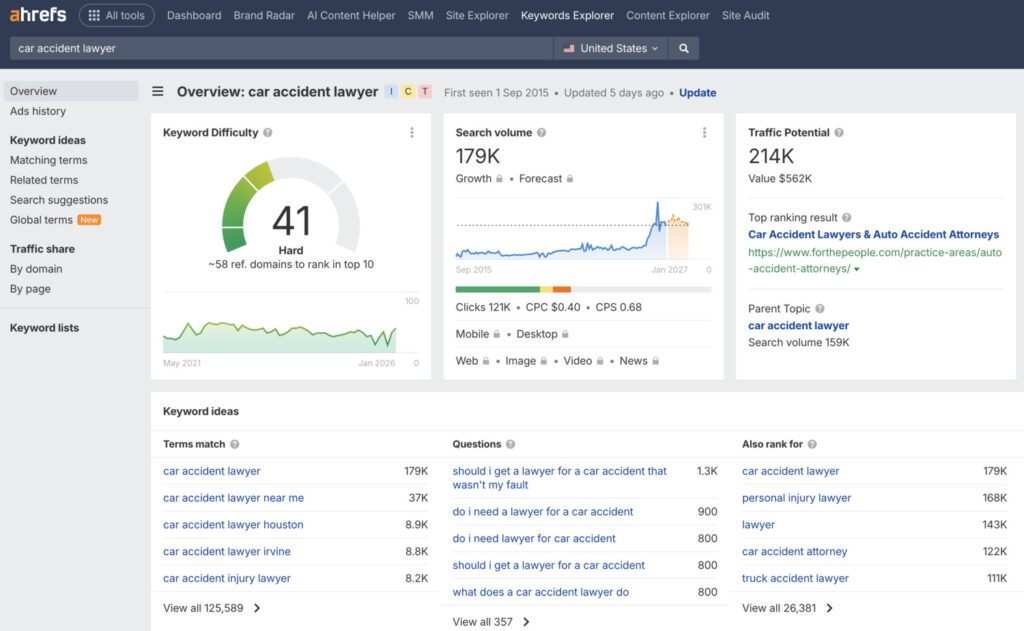
Keyword difficulty is a related metric estimating how hard it is to rank for a given keyword, also on a scale of 0-100. This is calculated by comparing the quantity of competing pages and the authority of competing sites. Your DA matters because it determines how competitive you can be with other sites for a given search term. New sites need to stick to lower-hanging fruit (long-tail keywords with under 20 keyword difficulty) where there is less competition. As your DA increases, you can start seeing better results for more competitive terms.
Keyword Research for Attorneys
Keyword research is discovering the exact terms potential clients use when searching for legal services or topics. Taking the time to properly research the terms users are searching will pave the way for the rest of your SEO strategy.
At the root of it, keyword research is fairly simple. Find the terms people are using when searching for legal services and topics. The goal is finding keywords with sufficient monthly search volume (how many people search for a given term in a month), manageable competition for your current domain authority, and clear intent (either informational for articles or purchase for service pages). Compile a list of keywords, then pair it with a piece of existing or future content/page that matches the intent of the search term.
Types of Keywords
Understanding keyword categories helps you build a balanced strategy that captures potential clients at every stage.
- Practice area plus location keywords like “personal injury lawyer Chicago” or “divorce attorney near me” indicate someone ready to hire and should be targeted on your main service pages.
- Long-tail keywords like “how much does a DUI lawyer cost in California” have lower volume but higher conversion rates because they indicate specific needs.
- Question-based keywords starting with “how,” “what,” or “when” are perfect for blog content that builds trust with potential clients still researching their situation.
Practical Research Strategy
Starting keyword research is easy, just document common questions clients ask during consultations. Odds are, if they are asking you, they probably searched it on Google too.
Once you have a list, search for them on Google, taking note of the results. Also search for your practice area and location, noting the “People Also Ask” boxes and related searches at the bottom. Analyze competitors ranking on page one to identify topics they cover and what topics they missed (these content gaps can be leveraged later to give you an advantage).
Free tools like Google Keyword Planner, Google Trends, and AnswerThePublic provide initial insights. For serious SEO efforts, invest in Ahrefs or SEMrush ($100-200/month) for detailed search volume data, keyword difficulty scores, and competitor analysis capabilities.
Pro Tip: Newer sites or sites with low domain authority should focus on targeting keywords with difficulty lower than 20. Target specific terms or long-tail keywords such as “best Minneapolis car accident attorney” or “St. Paul divorce lawyer for fathers.” This is much more beneficial than targeting shorter, broader terms like “personal injury lawyer.”
Content Strategy and Creation
Content serves multiple purposes for law firms: attracting potential clients through search, establishing expertise, answering common questions, and converting visitors into consultations. A strategic approach to content creation builds topical authority over time, making it progressively easier to rank for competitive terms. Without a documented strategy, most firms publish inconsistently and fail to cover topics comprehensively enough to compete.
Building a Content Strategy
A standard content strategy outlines the content you will produce in the following months, typically consisting of blog content, page upgrades, and service pages. While you don’t technically need to have any physical strategy to follow, it certainly helps if you are trying to consistently grow your firm’s presence on Google.
To create a content calendar, start a new spreadsheet and add columns for the month, post title, post type, word count, target keyword, keyword difficulty, and keyword volume.
If you are just starting, a full 12 month content calendar isn’t necessary. Focus on answering top-of-funnel questions clients ask during consultations. These will likely be the most valuable pieces of content and can serve multiple purposes beyond SEO, such as email campaigns, white papers, and guides. These pieces of content should get you started and will probably get you through the first few months of your SEO journey.
When it comes to newer sites, focus on establishing authority for one practice area before branching out to others. The main purpose is to make it easy for Google to identify who you are, what you do, and where you’re located. When too many services or locations are targeted at once, Google struggles to answer these basic questions, which can negatively affect your ranking.
Example: If personal injury is your primary practice area, but most of your ideal clients are for car accidents, you would want to focus on creating several pieces of content targeting car accidents before moving on to writing premises liability cases. To optimize from criminal defense SEO, it’s best to focus on specific crimes like DUIs, theft, assault, etc.
Essential Page Types
Every law firm website needs several key page types:
- Practice area pages (1,500-3,000+ words each) that comprehensively explain your services, approach, qualifications, and include clear calls-to-action. These cornerstone pages target your primary keywords and should answer every question a potential client might have.
- Location pages help you rank for local searches if you serve multiple areas (don’t go wild with location pages, this used to be an old SEO trick and Google will happily penalize you for abusing it).
- Blog content is great for building topical authority with Google. All you need to do is write that effectively addresses common questions, correct common misconceptions about laws, explain legal changes that would affect your clients, etc. You can go many different ways with your content, but regardless of the style you pick, your content will help establish your firm as an expert in your field and help improve your rankings over time. The only thing you need to remember is the user intent is key. As long as you match the intent of the query and provide value, you should be good to go.
- Attorney bio pages are great for EEAT, establishing the expertise behind your content through education, bar admissions, awards, and professional affiliations.
Writing for SEO and Conversions
Effective legal content educates first and sells second. The moment readers sense they’re being sold to, they lose trust and leave. Write as if explaining something to a friend seeking advice, avoiding legal jargon unless you provide clear explanations.
Key SEO writing guidelines:
- Include target keywords naturally within the first 100 words and in at least one subheading, but never force awkward phrasing.
- Break up text with subheadings every 300-400 words.
- Keep paragraphs short and digestible. Avoid massive blocks of text.
- Use images, graphs, or bullet points to break up text every 400-500 words.
- Avoid any hint of sales or self-promotion in the introduction. Save your call to action for the end or work it into relevant sections.
Time Investment: Quality legal content typically requires 3-5 hours per post to research, write, and optimize properly. Keep this in mind when planning how much content you can realistically handle and what to outsource.
Local SEO and Google Business Profile
Local SEO typically delivers great ROI for law firms because searches like “personal injury lawyer near me” indicate immediate hiring intent. When people search for local services, Google displays a “Local Pack” which includes a small handful of businesses with a map, review section, and contact information. About 42% of local searches result in clicks on these Map Pack results, making local optimization essential for client acquisition. Here’s a few tips to optimize your law firm’s Google Business Profile.
Google Business Profile Optimization
Claim and verify your profile and immediately submit verification. Once verified, you will have control over how your firm appears in search results and maps. Choose the most specific primary category for your main practice area (“Criminal Justice Attorney” rather than “Legal Services”) since this directly impacts which searches trigger your listing.
Complete every section of your profile:
- Use your legal business name without added keywords.
- Ensure your address and phone number match your website exactly (some exceptions to this, but generally a good practice).
- Write a compelling description with keywords naturally worked in.
- Add professional photos of your office and team. Google has confirmed businesses with photos receive significantly more website clicks.
- Complete the services section with a full description with keywords and an image.
- Post regular updates about case wins (without confidential details), legal news, and community involvement to keep your profile active.
- Ask for reviews!

Citations and NAP Consistency
NAP (Name, Address, Phone Number) must be identical everywhere online. This includes your website, Google Business Profile, legal directories, and social media. Small variations like “Street” versus “St.” are generally fine, but can confuse search engines and hurt rankings if they deviate too much.
Build citations on legal directories (Avvo, Justia, FindLaw, Martindale-Hubbell, Super Lawyers) and general directories (Yelp, Bing Places, Apple Maps, BBB, local Chamber of Commerce). These citations verify your business information and strengthen local search signals. Audit your existing citations quarterly to catch and correct any inconsistencies.
If you don’t have time to build or audit local citations, you can use Whitespark Listing Services. We have used them in the past and have found them to be pretty effective!
Technical SEO Basics
Technical SEO ensures search engines can properly crawl, index, and understand your website. While you don’t need to become a developer, understanding these fundamentals help you communicate with your web team and identify issues that could be hurting your rankings. Technical problems can undermine your content and optimization efforts, so addressing these foundations before investing heavily in content creation is always wise.
Mobile and Speed Requirements
Google uses mobile-first indexing, meaning it primarily evaluates your website’s mobile version for rankings. Your site should be fully responsive, load in under 3 seconds on mobile devices, have easily tappable buttons, display readable text without zooming, and feature prominent click-to-call functionality.
Site speed is a confirmed ranking factor, and research shows 53% of mobile users abandon sites taking longer than 3 seconds to load. The biggest culprits for slow law firm websites are oversized images!
Image optimization guidelines:
- Keep file/image sizes under 300KB (0.3MB).
- Use JPG or WebP formats. Only use PNG when you need a transparent background.
- Resize images to actual display dimensions (we typically stick to 1500×1000).
- Include keywords in image file names and alt text for additional SEO benefit.
Tools to Consider: ImageResizer is a great tool for this. It’s easy to use and works great. There is an image size limit with the free version (10MB, but the paid version is just a few bucks).
Security and Structure
Your website must have an SSL certificate (https://) which encrypts data between your site and visitors. This is critical for contact forms where potential clients share sensitive information. SSL is also a ranking factor. In fact, many
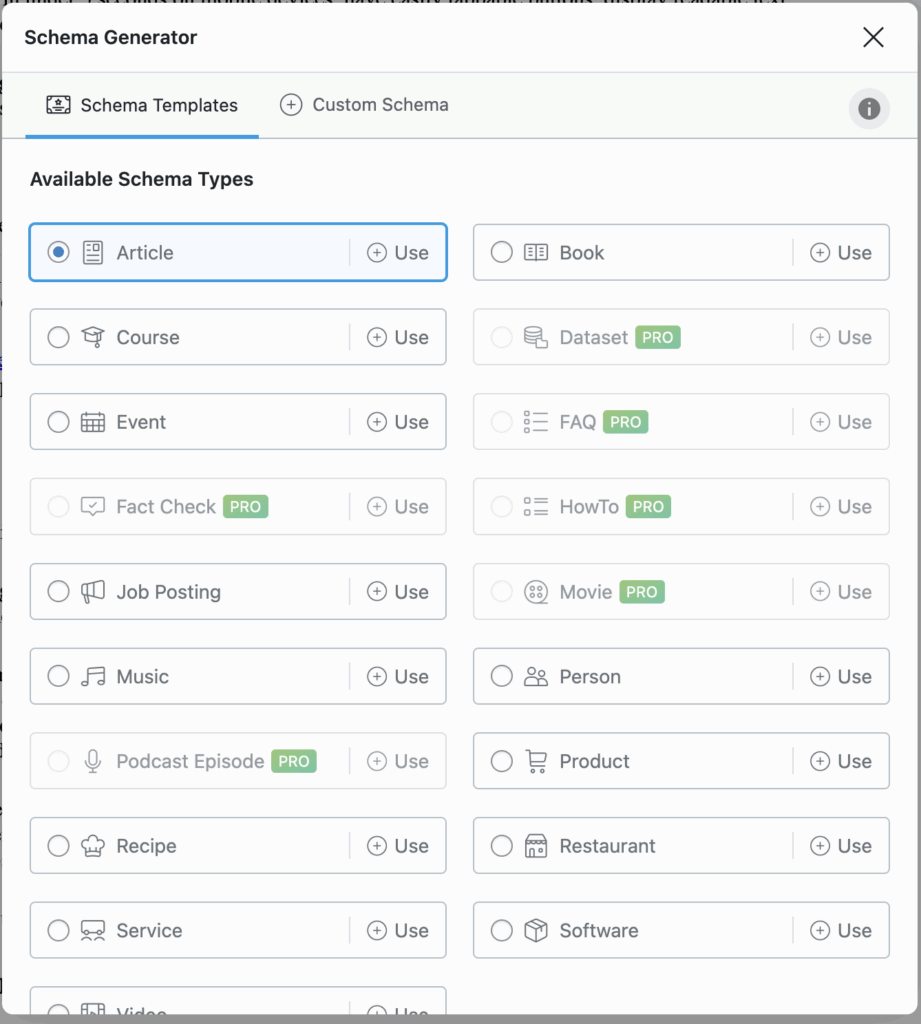
Schema markup helps search engines understand your content. For law firms, implement LocalBusiness, Attorney, LegalService, and FAQPage schema types to potentially earn enhanced search result displays. Plugins like RankMath have schema generators that are super easy to use and achieve the results without the technical coding.
If using WordPress, it is sometimes beneficial to install a single speed optimization plugin (WP Rocket, W3 Total Cache, or LiteSpeed Cache) to implement caching and lazy loading. Using multiple plugins causes conflicts. Use caution when adjusting advanced settings since sometimes bugs can occur causing loading or formatting issues. If there is a chance a speed optimizer is already baked into another plugin or builder on your site, avoid adding another one.
In most cases, we err on the side of no speed optimizers since we manually optimize all of the elements ourselves. Turns out, you don’t need a speed optimizer if you keep a clean and optimized site. If you are running a small or solo firm and you’re still the one doing all of the website edits, it might be wise to consider a speed optimizer.
Animations and Third-Party Elements
Most site builders include easy-to-use animation features which can allow users to spruce up their site with just a few clicks. But like all things, moderation is key. Adding an occasional animation is fine, but when used in excess, they can quickly bog down your site. If you’re struggling with site speed, animations are one of the first things to go.
Link Building and Site Authority
Backlinks from other websites remain one of Google’s most important ranking factors, serving as “votes of confidence” that signal your content is valuable. For law firms, quality matters far more than quantity. A single link from a respected legal publication outweighs dozens of links from low-quality directories.
Internal Linking Strategy
A good way to think of internal linking is by picturing a spider web. Each link is a strand of the web, and your goal is to create a web that catches as much traffic as possible.
Your first priority is to make sure all pages have a link pointing to them. A good practice is ensuring all core pages are included in your main menu or footer. If you’re posting blog articles, make sure all posts are linked on the main blog page. Failing to have a link pointing to a page will lead to it being “orphaned” from the rest of the site. Orphaned pages are very difficult to rank and can hurt your site as a whole.
Internal linking best practices:
- Link to other services and related blog posts when possible.
- For blog posts, add 1-2 links to other relevant blog posts, then 1-2 links to the most relevant practice area pages.
- Use unique, descriptive anchor texts (bonus points for working in a keyword).
- Avoid adding an excessive amount of links.
- Make sure your links are “follow” instead of “no-follow” (only use “no-follow” for pages you don’t want to transfer authority to).
External Link Building
Start by completing profiles on legal directories (Avvo, Justia, FindLaw, etc.) which provide valuable backlinks from high-authority sites. Join bar associations and professional organizations with member directories. Contribute guest articles to legal publications and industry blogs (time consuming, but can be effective). Respond to journalist queries through HARO (Help A Reporter Out) to earn mentions from news sites.
The easiest way to start building links is by talking with others in your industry and asking if they would link to your site. A good way to incentivize this is by offering to write a blog post or suggesting a collaboration. If you’re part of a local bar association or business community, this is a great place to start.
For blog posts, add at least 2 external links going to other websites. Make sure you’re linking to relevant content that will further improve the user experience.
Warning: Avoid purchasing links unless you absolutely know what you are doing. Google explicitly prohibits this, and low-quality purchased links can trigger devastating penalties. This is especially important for law firms since they fall in Google’s YMYL category.
Review Management
Online reviews impact both rankings and conversion rates, with research showing over 90% of consumers read reviews before making decisions. Law firms with 50+ Google reviews and 4.5+ star ratings significantly outperform competitors in local search and client trust.
Request reviews shortly after successful case resolutions, making it easy by sending direct links to your Google review page. Respond to every review professionally, thank positive reviewers specifically, and address negative reviews by acknowledging concerns and offering to discuss offline. Never argue or reveal confidential information publicly. Just remember, people pay attention to how you handle criticism and understand that a perfect 5-star rating is nearly impossible to maintain (especially in the legal industry).
SEO Audits and Site Health
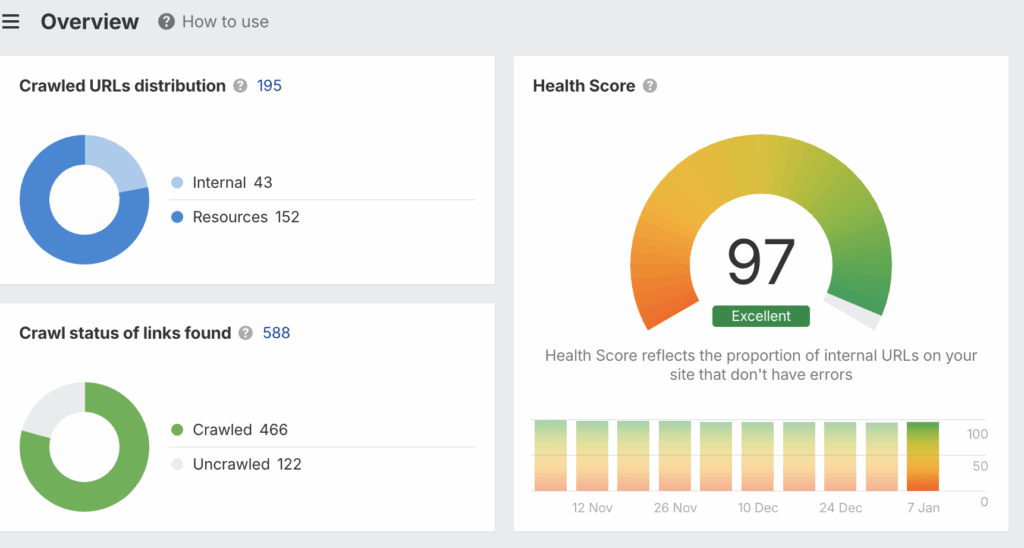
Maintaining a fast and healthy site is essential to ranking on Google. Tools like Ahrefs and SEMrush have great site audit tools that highlight issues with your site that can affect your rankings. Both tools provide general information on the issue, cause, and solution.
Another free tool is Google Lighthouse, available on Google Chrome browsers. It crawls the inspected page and provides a report on performance, accessibility, best practices, and SEO. To access it, right-click to inspect a page, then from the dropdown menu, select Lighthouse.
For more technical deep dives, Screaming Frog has a great free version that allows you to crawl 500 URLs for issues. While the user interface is for more advanced SEO specialists, it’s an incredibly powerful tool perfect for finding hard-to-find issues.
Measuring SEO Success
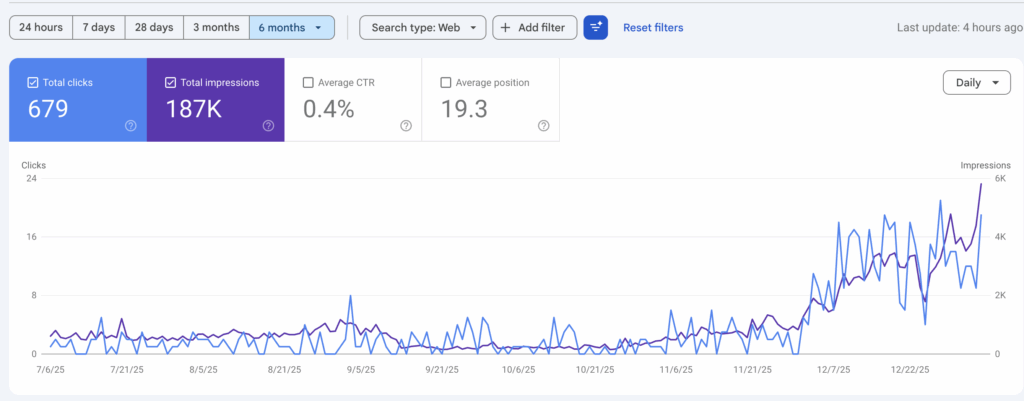
SEO often takes 6-12 months to show meaningful results, making consistent measurement essential for understanding progress and justifying continued investment. A good way to manage this is to track metrics monthly using a simple dashboard to monitor trends rather than daily fluctuations.
Key metrics to track:
- Organic traffic: Visitors coming from search engines.
- Keyword rankings: Your positions for targeted keywords.
- Impressions and clicks: Data from Google Search Console.
- Conversion rate: Percent of site visits that converted to a lead.
- Backlink profile: Growth in quality links to your site.
- Leads: How many leads were generated from your marketing endeavors.
- Signed Cases: How many cases you were able to sign from the generated leads.
The most important metric to focus on is quality leads. Many agencies will wave around vanity metrics like clicks and impressions, but if they are not turning into signed cases, they are meaningless. If you are 6 months into an SEO strategy, you should be receiving a slow but steady flow of leads. If this is not the case, it is probably best to start asking questions and looking deeper into the reports.
Recommended Tools
Every law firm should at least have the free version of each of these tools. While not required, they certainly help you succeed with SEO.
- Google Search Console (free): See which queries bring visitors and receive alerts about technical issues.
- Google Analytics (free): Track traffic, user behavior, and conversions.
- Google Lighthouse (free, built into Chrome): Analyze page performance and SEO factors.
- SEMrush or Ahrefs ($100-200/month): Keyword tracking, competitor research, and backlink monitoring.
- Screaming Frog (free for up to 500 URLs): Crawl your site to identify broken links, duplicate content, and missing meta descriptions.
DIY vs. Professional SEO Services
If you are trying to grow your firm, there will come a time when it simply isn’t feasible to do everything yourself. While we would love to encourage every attorney to learn the basics of SEO and how to grow their firm organically, there often isn’t enough time in the day.
Handle SEO in-house if:
- You have 10-15+ hours monthly to dedicate.
- You enjoy learning digital marketing.
- You operate in a less competitive market.
- You have a limited budget.
Hire professionals if:
- You’re in a competitive market.
- Your billable rate exceeds SEO service costs.
- You need faster results.
- You don’t have the time to dedicate to SEO and marketing.
Choosing an SEO Provider
Look for agencies with legal industry experience who understand YMYL requirements and EEAT. Quality agencies should be completely transparent about performance by offering monthly reporting showing rankings, traffic, and progress. Be wary of guarantees like “#1 rankings in 30 days”. Legitimate SEO takes time and at the root of it all, #1 rankings isn’t the most important factor, quality leads that can convert to signed cases are.
Quality legal SEO services often cost $3,000+ monthly depending on market competitiveness. Agencies offering “complete SEO” for under $1,000 typically deliver cut corners or cookie-cutter strategies that won’t produce results (due to YMYL, they often do more harm than good).
Getting the Most Out of Your Law Firm SEO
SEO is a marathon, not a sprint. Start with the fundamentals: optimize your Google Business Profile, create quality content answering common client questions, ensure your website is mobile-friendly and fast, and build your online reputation through reviews. Focus on one practice area and location until you’ve established authority before expanding.
Hopefully this guide gives you everything you need to get started with SEO, but it’s important to commit and be patient. Remember, most SEO strategies take 6-12 months of consistent effort to see meaningful results. The law firms that commit to consistent, quality-focused SEO strategies are the ones that ultimately dominate their local markets and attract the clients they want to serve.
If you would like to work with an experienced law firm marketing agency that is truly committed to generating quality leads for your firm, contact our team today.